Vedic & Hindu Esotericism
About this tradition
Vedic and Hindu esotericism is the family of esoteric currents within Hinduism, its center the traditions the West calls tantra and practitioners call the path of mantra: the ritual system of authorized sound, geometry, and embodied worship that developed in India from the middle of the first millennium, first within the worship of Shiva and the Goddess and then across Buddhism and Vaishnavism. The system's components are precise: the mantra, the formula whose authority is the initiation that transmits it; the yantra, the geometric diagram into whose lines the deity is installed alive; the mudras and the nyasa rites that transform the worshipper's own body; and the daily worship's sixteen offerings, from the seat and the water to the flowers and the lamp and the food. Its paths run on a spectrum from the right hand, the dualistic temple traditions, to the left hand, the transgressive practices of the Goddess's fierce lineages, and the tradition's goals range from liberation through attainment and enjoyment to the states of possession its practitioners also court.
What distinguishes the esoteric from the mainstream is initiation: no mantra teaches itself, no practice proceeds without the guru's transmission, and the lineage, the succession of teachers, is where authority lives, held by lines rather than individuals. The fire ritual continues the Vedic form in tantric fire pits, the temples are built and consecrated by the tradition's own codified manuals, and the daily discipline of worship and recitation is the practitioner's spine.
Where it came from, briefly: the word itself is old, a loom in the oldest Veda, and the textual corpus took form across the first millennium, the twenty-eight Shaiva and sixty-four Shakta and one hundred eight Vaishnava manuals of doctrine and yoga and ritual and conduct, the tradition's peak synthesis the great Kashmiri philosopher's exposition around the year one thousand. The colonial era broke the tradition's meaning: the sexed-up tantra of the European imagination, the category invented for it, and the modern western practice detached from lineage, a misreading the scholarship has spent decades correcting and a museum exhibition recently mainstreamed, the scholars' consensus being that the tradition's sexual practices are rare, restricted to initiated adepts, and instrumental rather than ends.
The scholarship's standard survey insists on tantric traditions in the plural, no single essence, and the field's anti-orientalist turn has made the category's own history part of its study. The community is vast and mostly ordinary: a billion and more Hindus, ninety-four percent in India, the diaspora's temples from the first in New York to the largest organization's network, the mixed-tradition temple a diaspora innovation, and the western convert lineages small but established, the Hawaiian monastery the most known. Access is initiation-gated for the esoteric itself, the texts and higher practice taught only through the guru's transmission, while the temples stand open, darshan available to all and the fire rites sponsored by householders rather than performed. Its counsel is the tradition's own: the mantra works because it was given, the deity is installed because the ritual installed it, and the guru is not a personality but a line, the continuity being the authority.
Cultural family
Where it’s found
Access
12 practices
Breathwork
Altered states and release through structured breathing: the intense styles descended from psychedelic therapy, the physiology behind the visions, and the safety record.
Chakra Healing
Working with the subtle body's energy centers as the modern practice knows them: assessing, clearing, and balancing the seven chakras.
Kundalini Awakening
The classical awakening of the coiled serpent energy at the spine's base and its ascent, alongside the modern practices built on the claim.
Mantra & Mandala Practice
Repetition of sacred sounds and contemplation of sacred images: japa with the mala, the mantra's traditions, and the mandala's visual yoga.
Palmistry
Reading character and tendency from the hand's lines, mounts, and shape, with the whole hand treated as a map rather than any single line treated as fate.
Polarity Therapy
A complete energy-medicine system of bodywork, diet, and exercise built on polarity: positive, negative, and neutral currents balanced through touch.
Pranic Healing
A no-touch system of scanning, sweeping, and energizing the energy body with prana, protocolized condition by condition.
Reiki
Palm healing through attuned hands: Usui's Japanese system, Takata's Western transmission, the hospital comfort-care role, and the evidence record.
Sacred Tattooing
The tattoo as rite: the Iceman's therapeutic marks, the pilgrim crosses of Jerusalem, the sak yant's blessings, and the modern revival's appropriation debates.
Sacred Vocal & Instrumental Music
Devotional singing as practice: the chant traditions, the kirtan call-and-response, the qawwali's ecstasy, and the wellbeing research on group singing.
Vastu Shastra
The Indian science of dwelling: the mandala grid and directional deities, the temple architecture's governing device, and the real-estate market that now demands it.
Vedic Astrology
The astrology of India: the sidereal zodiac, the Moon's nakshatras, planetary periods, and prescribed remedies, a living tradition woven into Indian life.
Go deeper
Immerse yourself
Learn it and visit it: courses that teach vedic & hindu esotericism, and the places held sacred to it.


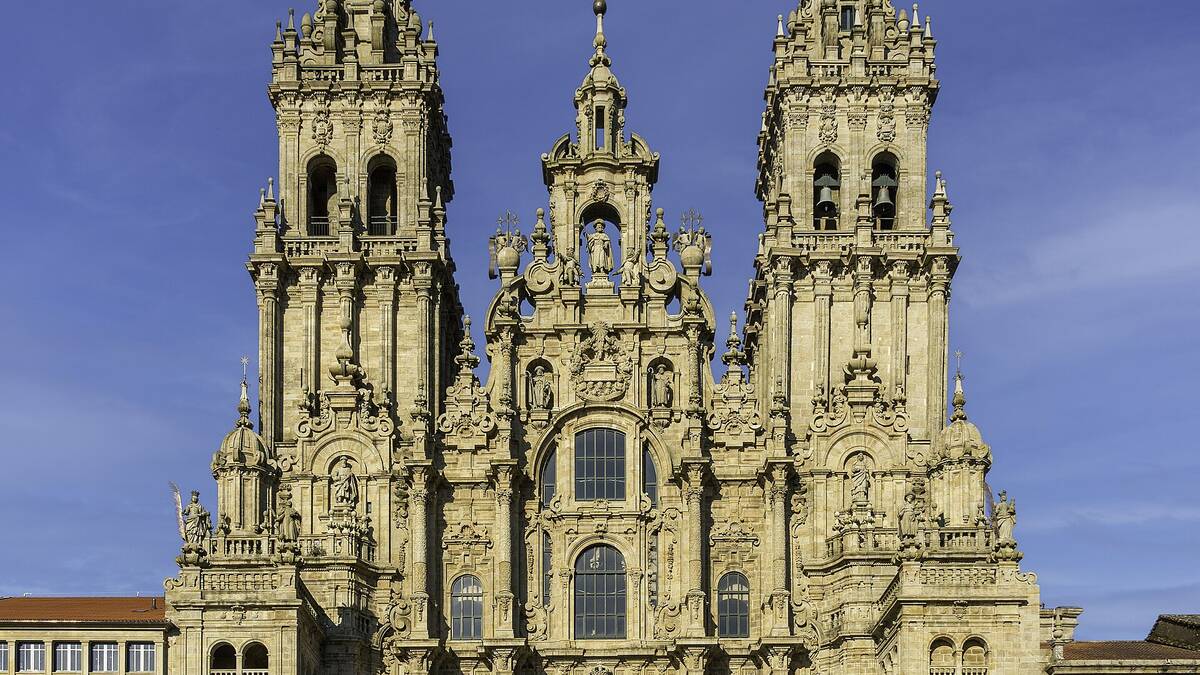
The lineages
Institutions & businesses
Organizations whose work centers on vedic & hindu esotericism.
 World Pranic Healing FoundationPasig City, Philippines
 IAYT (International Association of Yoga Therapists)
 British Association for Vedic Astrology (BAVA)
 Kundalini Research Institute (KRI)Santa Cruz, New Mexico (postal)
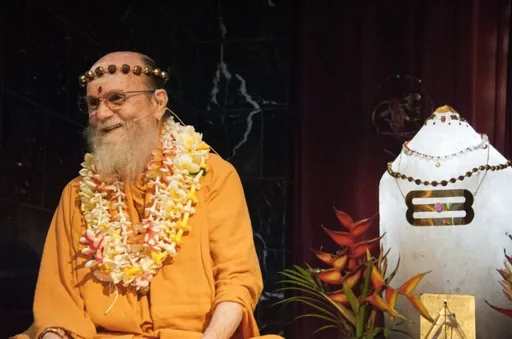 Himalayan Academy (Kauai's Hindu Monastery)Kapaa, Hawaii
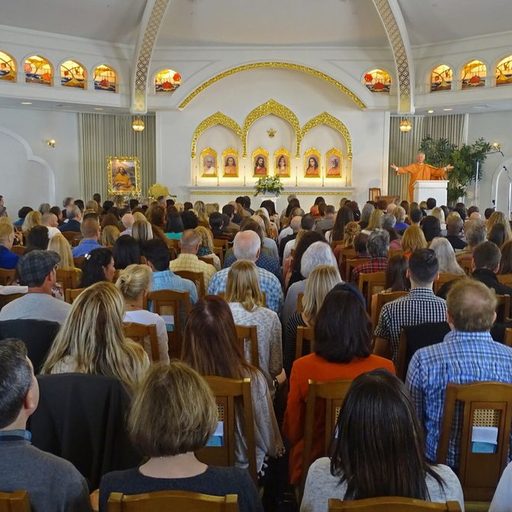 Self-Realization Fellowship Lake ShrineMain locationView allMore in vedic & hindu esotericism