Louisiana Voodoo
About this tradition
Louisiana Voodoo is the creolized religion of New Orleans, historically distinct from Haitian Vodou, whose name the leading historian of the New Orleans practice deliberately spells differently to keep the distinction visible. Its history is not an unbroken religion but a suppressed survival and a modern revival, and the entry says so in the tradition's own scholarly record: the traditional practice was virtually dead by the early twentieth century, its communal religion reduced to a magical residue that became hoodoo, and what exists today is a revival shaped by Haitian initiation and the Spiritual churches more than by the elders the 1930s writers' project interviewed.
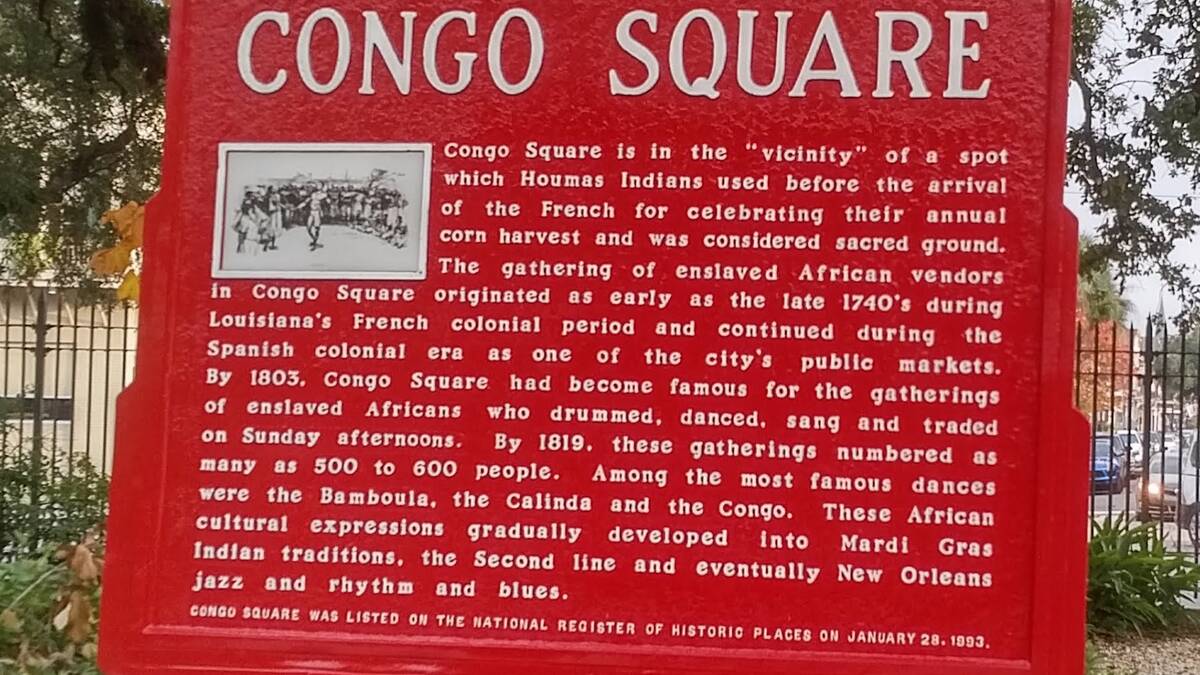
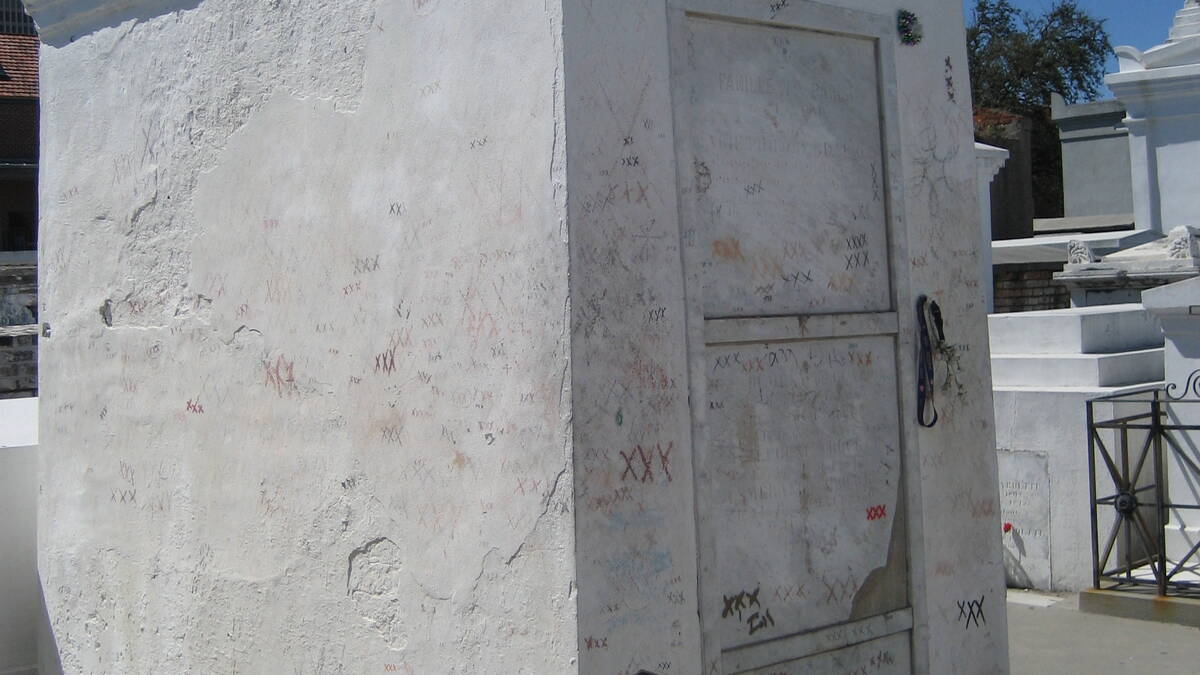
What the elders remembered: by the late nineteenth century the lwa names had largely receded and the saints were called on directly for everyday work, the queen's cottage altars holding Saint Anthony turned upside down for work, Saint Peter, and the patron of runaway slaves, the services structured like a Mass with kneeling and crossing and the Our Father, and the weekly feasts for the spirits laid on white cloth. The historic public face was Congo Square, the one spot a city ordinance allowed the enslaved to gather for dancing on their Sundays off, renamed officially only in 2011; the signature date was St John's Eve in late June, the lakeside ceremonies on Lake Pontchartrain that the sensationalist press loved and the informants described soberly, Mass-like, with the creole dance and the communal meal. Gris-gris is the local word for both the charm and the working itself, and the queen-and-king structure is documented: the court record of 1859 publicly calling Marie Laveau the queen of the Voudous. Laveau herself, the creole free woman of color and Catholic hairdresser whose power was part charisma and part social intelligence, remains the tradition's center of gravity, her tomb a pilgrimage site whose chalked marks the conservators discourage, and her daughter's supposed reign is where fact and legend blur, treated by the scholarship as legendary.
The distinction from hoodoo is the tradition's own line, and the entry keeps it: hoodoo is one-on-one practical work, gris-gris and powders and oils sold through the drugstores and prosecuted as mail fraud, Voodoo proper the communal religion serving the spirits. The pin-prick doll belongs to neither: it is tourist commodity and pop-culture stereotype, with no solid nineteenth-century New Orleans documentation, and the entry says so. The twentieth century's sensationalist books, one still treated as the preeminent source by many readers, are documented as racist adaptations of the field interviews.
Today's structure is small, real, and documented: the temple of the priestess who came from Chicago's Spiritual churches across from Congo Square, the botanica of the Haitian-initiated painter who leads a public St John's Eve ceremony, the Jazz Fest priestess, the museum, and the Black Spiritual churches where much of the practice survived the suppression, blending Catholicism, Spiritualism, and Pentecostalism. Congregation sizes are unmeasured, and the honest characterization of the scene is the historian's own: the priestesses are genuine but the line between religion and entertainment is blurred, the tourism economy selling a version of the tradition its own practitioners do not fully own, some Black neighbors still equating the revived ceremonies with devil worship while the tradition's original congregation was often described as more white than colored. Access is mixed: initiated paths through Haitian lineages, Spiritual-church membership, and a wide open commercial lane. The library's neighbors are Haitian Vodou, the parent whose name it shares, hoodoo, the practical sibling it birthed, and the ancestor-work traditions that share its calendar.
also known as New Orleans Voodoo
Cultural family
Where it’s found
Access
2 practices
Candle Magic
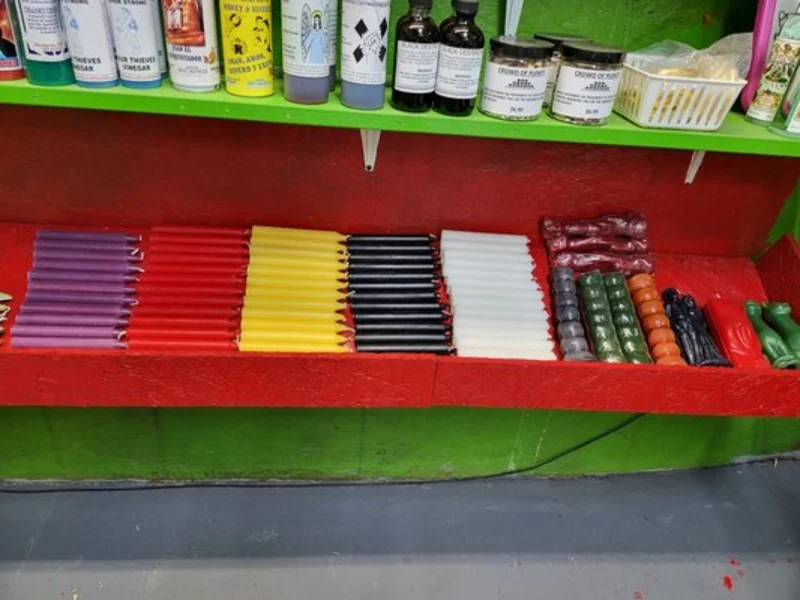
The candle as the spell: dressed, carved, and burned while the flame works the petition, the burn read for omens, the tradition codified in 1940s New Orleans.
Incense, Oil & Potion Craft
Making the magical preparations: incense blended and burned, condition oils made and named, the potions and philtres, and the supply trade that codified it all.
Go deeper
Immerse yourself
Learn it and visit it: courses that teach louisiana voodoo, and the places held sacred to it.
The lineages
Institutions & businesses
Organizations whose work centers on louisiana voodoo.