Druidry
About this tradition
Druidry is nature spirituality under an ancient name: a modern movement whose practitioners cultivate relationship with the land, its plants and animals and spirits of place, and its deities where they are honored, a religion defined less by doctrine than by that orientation, since the tradition holds no dogma and its members range from polytheist reconstructionists through animists and pantheists to Christians and Zen practitioners who take the Druid name. The survey data the tradition collects describes its own range: majorities animist and softly polytheist, nearly nine in ten practicing nature connection and environmental stewardship, nine in ten practicing mostly alone, three quarters keeping their practice private.
What practitioners actually do: the inspiration the tradition calls Awen, the flowing spirit invoked by chanting its name, is the practice's core concept; the festivals follow the wheel of the year's eight stations under the tradition's own Welsh names for the solar feasts; and the typical celebration is a solitary nature walk with meditation on the season, the group rites held outdoors in daylight, the quarters called and the chalice passed sunwise. The groves, the local groups, gather where they exist, and the orders organize the tradition's larger life: the Order of Bards, Ovates and Druids, by far the largest, teaches through a correspondence course of monthly lessons in three grades, the Bard's creativity and the Ovate's healing and divination and the Druid's service, many members remaining happily in the earlier grades, the course offered in six languages and called by the historian of the tradition one of the major documents of British spirituality from the late twentieth century. The American church-like order and the masonic-descended American body and the British order of the punk-flavored revival round out the field's institutions.
Where it came from, briefly: the ancient druids were the Iron Age learned class of Gaul and Britain, documented almost entirely by their Roman enemies, and the continuity the name implies does not exist, the scholarship's verdict being that there is no real historical connection between the ancient druids and the modern ones, the belief system unrecoverable from the sources. The modern tradition descends instead from the eighteenth century's revival: the antiquarian who attributed Stonehenge to the druids, the fraternal orders founded in London pubs, the Welsh bardic revival whose forger invented the literary sources, and the twentieth century's orders, the largest founded in 1964 when the editor of the founder of Wicca's book split from the older order, the two founders' friendship linking the traditions' shared festival cycle and grade system.
The tradition's public face is Stonehenge, and its history there is its own story: the fraternal order's mass initiation of 1905 with its cardboard sickles and theatrical beards, the solstice tradition begun by the later order, and the access campaigns of the eighties and nineties that ended in the ban's lifting in 2000, the managed open access at the solstices since, the druids' dawn ceremony the monument's most famous ritual. The recognition followed: the Druid Network's registration as a charity in 2010 functioning as the religion's official recognition in England and Wales, the American military's faith codes and the headstone emblem's approval.
The community's numbers are estimated in the hundreds of thousands worldwide, concentrated in the Anglosphere, the census counts running to tens of thousands where the religion appears on the form. Access is open: the courses open to all with a free introduction, the groves' membership at each grove's discretion, the correspondence course the main access point worldwide for a tradition nine-tenths solitary. Its counsel is the tradition's own: the land is the temple, the inspiration is the practice, and the name Druid honors a past it cannot claim, which the tradition's honest members state as plainly as the scholars do.
also known as Druidism
Cultural family
Where it’s found
Access
6 practices
Augury & Omen Reading
Reading omens in the living world: the flight of birds, the weather, chance encounters, the signs the day itself offers.
Land Dowsing
Finding water and veins with rods and pendulums: the mining tradition, the American water witching, and the controlled tests that ended the claims.
Ley Line & Earth Energy Work
The alignments of ancient sites and the energies overlaid on them: Watkins's straight tracks, Michell's revival, the statistical critique, and the dowsing culture that persists.
Moon & Seasonal Ritual
The witch's calendar: the lunar esbats and the eight sabbats of the wheel of the year, its documented mid-century construction, and the living practice it organized.
Ogham Divination
Drawing or casting staves marked with the letters of the ancient Irish ogham alphabet, read through the medieval kennings and the tree lore gathered around them.
Sacred Site Pilgrimage
Journeying to sacred places: the Camino's record years, Glastonbury's layered pilgrimage, Sedona's invented vortexes, and the communities revoking access.
Go deeper
Immerse yourself
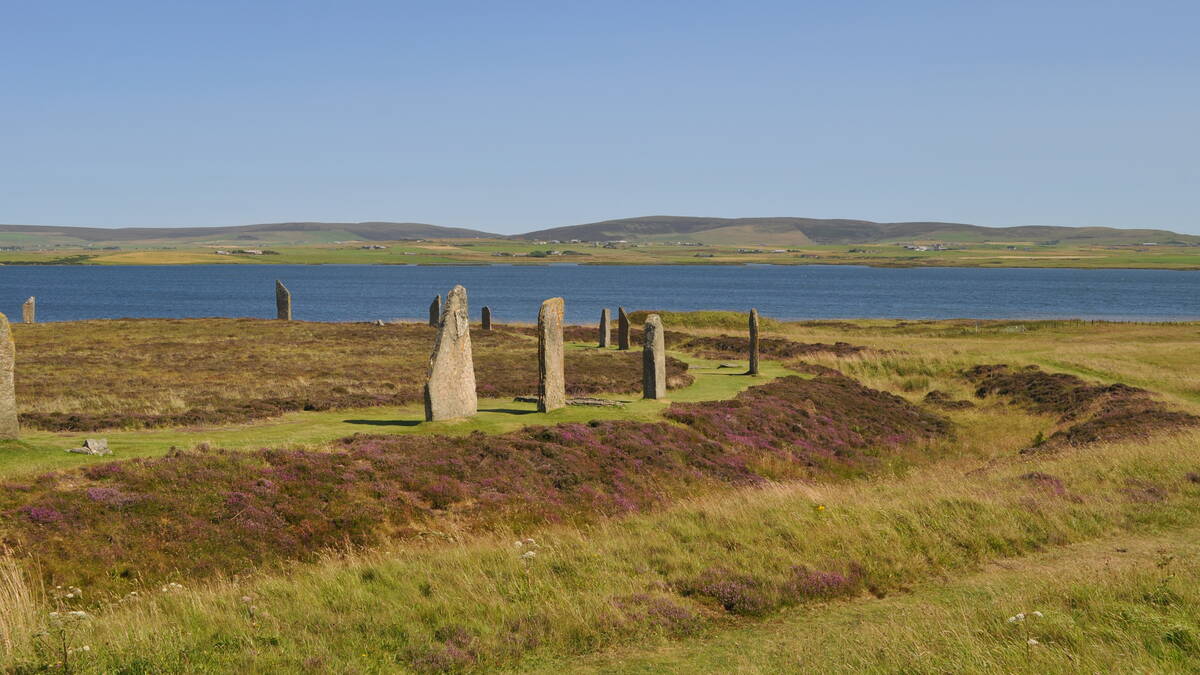
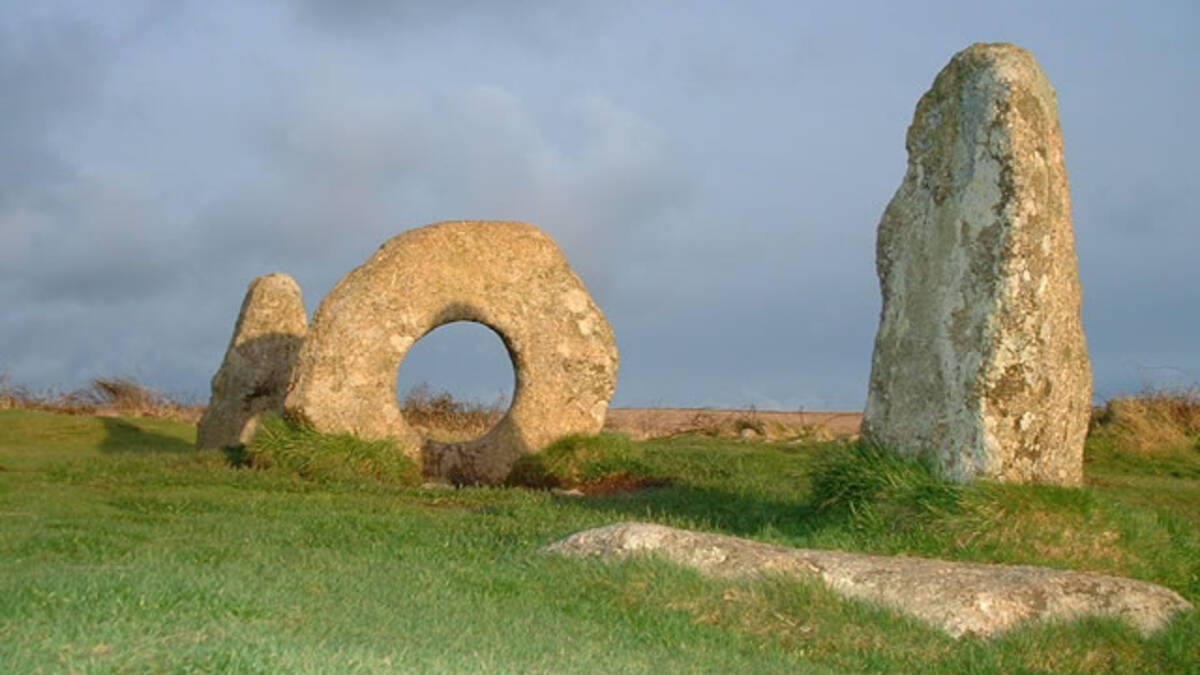
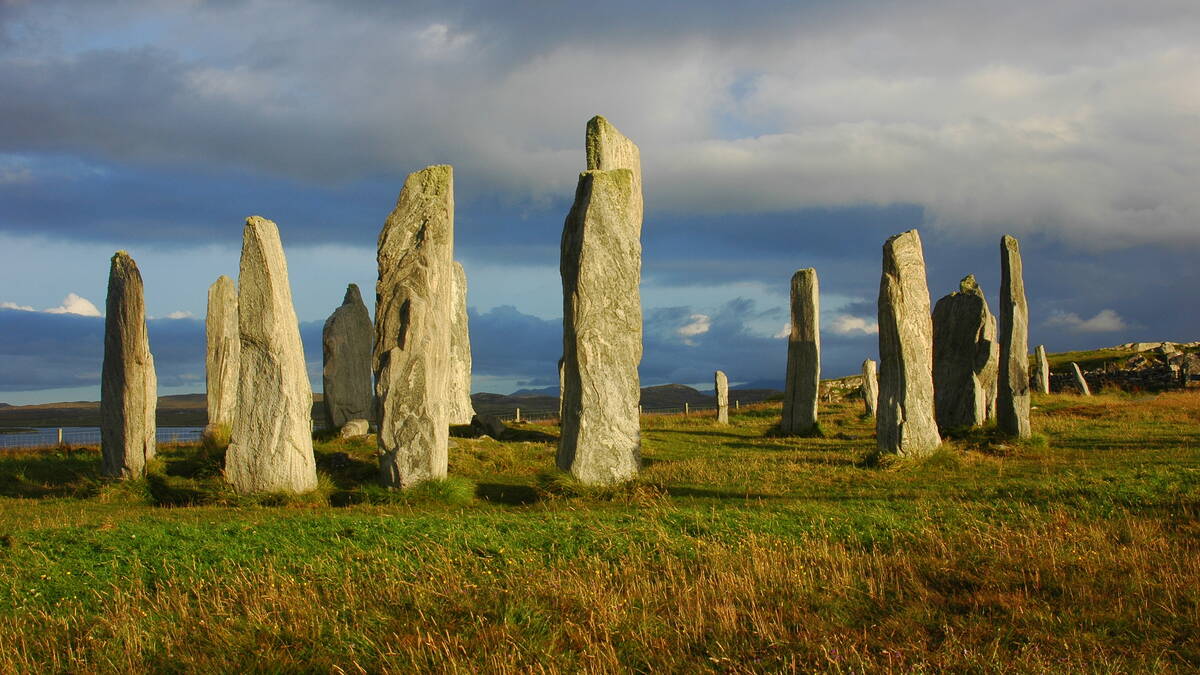
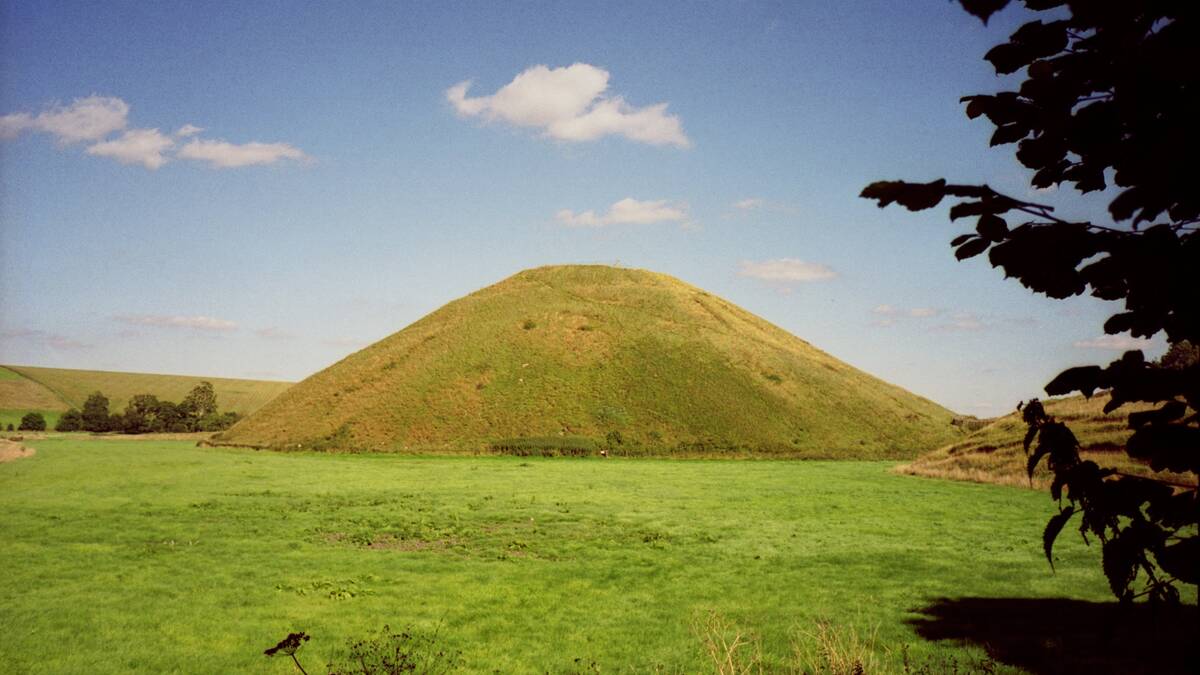
Learn it and visit it: courses that teach druidry, and the places held sacred to it.
The lineages
Institutions & businesses
Organizations whose work centers on druidry.