Ley Line & Earth Energy Work
Ley line work is the practice of finding and following the straight alignments of ancient sites, and its history divides at a date: the alignments drawn by the Herefordshire antiquarian in 1921 were prehistoric trade routes, trackways sighted from ridge to ridge, with no supernatural claims at all, and the earth energy the practice works with today is a nineteen-sixties overlay, the dragon veins of Chinese geomancy mapped onto the British landscape and the dowsing added after. The antiquarian's method was surveying: the old straight track drawn between mounds and churches and standing stones, the place-names' ley supplying the word, the manual he wrote teaching the plotting, the straight track club he founded running until the war's aftermath, and the academic rejection that followed, the archaeology journal's editor filing the proponents' letters as crankeries, the mixed site dates and the impractical straight travel the critics' arguments.
The revival transformed the practice: the Royal Air Force navigator who saw the lines as markers for flying saucers, the club founded to hunt them, the magazine that carried the earth mysteries movement, and the books that made the ley a mystical geography, the view over Atlantis the founding document in the historian's judgment, its author surveying Cornwall with a generosity of attribution that included natural outcrops as Neolithic sites. The dowsing overlay followed: the pattern of the past's geodetic lines, and the sun and the serpent's double channels dowsed from Cornwall to East Anglia, the masculine and the feminine currents crossing three times through Glastonbury, the Abbey and the Chalice Well and the Tor, the local tour guides teaching the crossings as power nodes. The dragon project's instruments tested the stone circles through the eighties, radiation and ultrasound, and found the anomalies inconsistent, and the movement's own scholars abandoned the energy claims, the ley lines in question's demolition, the magazine's last editor calling the leys dead, the ex-ley-hunters migrating into landscape archaeology and folkloristics.
The practice that persists is the dowsing and the walking: the rods and the pendulums over the landscape, the polarity readings and the geospirals and the crossing points, the energy work at the springs whose iron and calcium the guides read as masculine and feminine, and the pilgrimage's formats, the ley-walking of the Sussex downs, the society's annual moots, the tours that teach dowsing on the way. The community's split is the historian's own: the faith-based wing holding the energies as article of faith, the rationalist wing seeking testable claims, the two living under the same name.
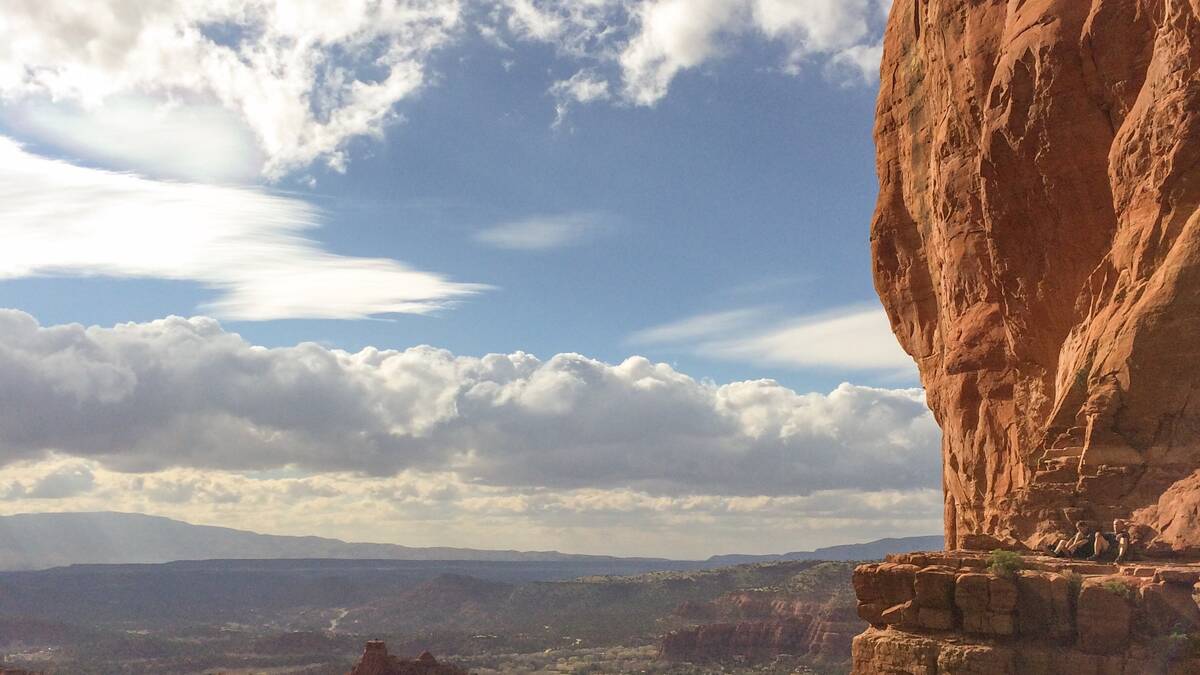
The scholarship's verdict is the practice's statistical record: the simulation of the ley hunter showing chance explains the alignments, the shape analysis of standing-stone triangles finding no more straight lines than average, the telephone box demonstration, the mathematical case's argument that a line drawn through virtually anywhere will clip a number of sites, and the dowsing's controlled failures. The countercultural history documents the movement's place in the earth mysteries tradition, and the entry carries the founder's own innocence: Watkins made no supernatural claims, the overlay came later. The market serves the practice from the private tours' hundred fifty pounds to the dowsing workshops and the Sedona vortex economy, the societies' charity registration and the city that dowsed its own leys with an arts commission's grant.
Access is open: no certification, the books reprinted, the societies joinable, the only constraints the sites' physical access. The entry's counsel is the history's: the alignments are real as drawn lines, the energy is the overlay's claim, and the walker who enjoys the landscape owes the antiquarian the distinction between them.
At a glance
- Category
- Sacred Space & Place
- Origin of practice
- Herefordshire, England, 1921; the energy overlay from the 1960s
- Access
- OpenOpen to all , no initiation required. What access means
Traditions
The living lineages this practice moves within.
Tools & Materials
The ley hunter's tools are the map and the rod: the plotting of alignments between sites on the ordinance survey, the dowsing rods and the pendulum and the hazel twig walked over the ground, the pendulum's yes and no over the line's polarity. The energy work adds the site's practices: standing at the crossings, the springs' waters read by their minerals, the power node's meditations. The pilgrimage's kit is the walker's: the boots and the track, the alignments followed on foot, the tour's guide teaching the dowsing en route. The tradition's texts are its library: the original straight track and its manual, the pattern of the past, the sun and the serpent, the view over Atlantis, and the skeptical literature that the honest practice keeps on the same shelf. The societies supply the community, the moots and the newsletters, and the market the tours. What the practice requires beyond the tools is the distinction the founder himself kept: the alignment as surveying fact, the energy as overlay, and the walker's freedom to enjoy the line without inheriting the claim.
Elements & Concepts
The alignment. The straight line drawn between ancient sites: the practice's founding observation, surveying in origin and mystical in its afterlife.
The overlay. The earth energy mapped onto the lines from the 1960s: the dragon veins' Chinese borrowing, and the practice's transformation.
The crossing. The point where two lines meet, read as a power node: the dowsing practice's destination, and the tours' stage.
The Michael and Mary lines. The dowsed double channels of southern Britain, masculine and feminine: the practice's most famous system, its crossings at Glastonbury the pilgrimage's stations.
Go deeper
Immerse yourself
Learn it and visit it: courses that teach ley line & earth energy work, and the places held sacred to it.