Sigil Craft
Sigil craft is desire made into a glyph: the intention written out, reduced letter by letter into a single sign, charged in a state of intensity, and then deliberately forgotten, the unconscious carrying the encoded direction while the conscious mind lets go. The method's steps are its canon: the statement of desire phrased in the present and positive, the repeated letters deleted until the remaining characters fuse into a sign simple enough to hold and personal enough to be nobody else's, the charging through the states the tradition calls gnostic, sexual climax and exhaustion and dance and fear, each a gate past the ordinary mind, and the forgetting, which the technique treats as its operative half rather than an afterthought: the physical sigil destroyed, its meaning banished from recall, the working left to the depths that do not check their own progress.
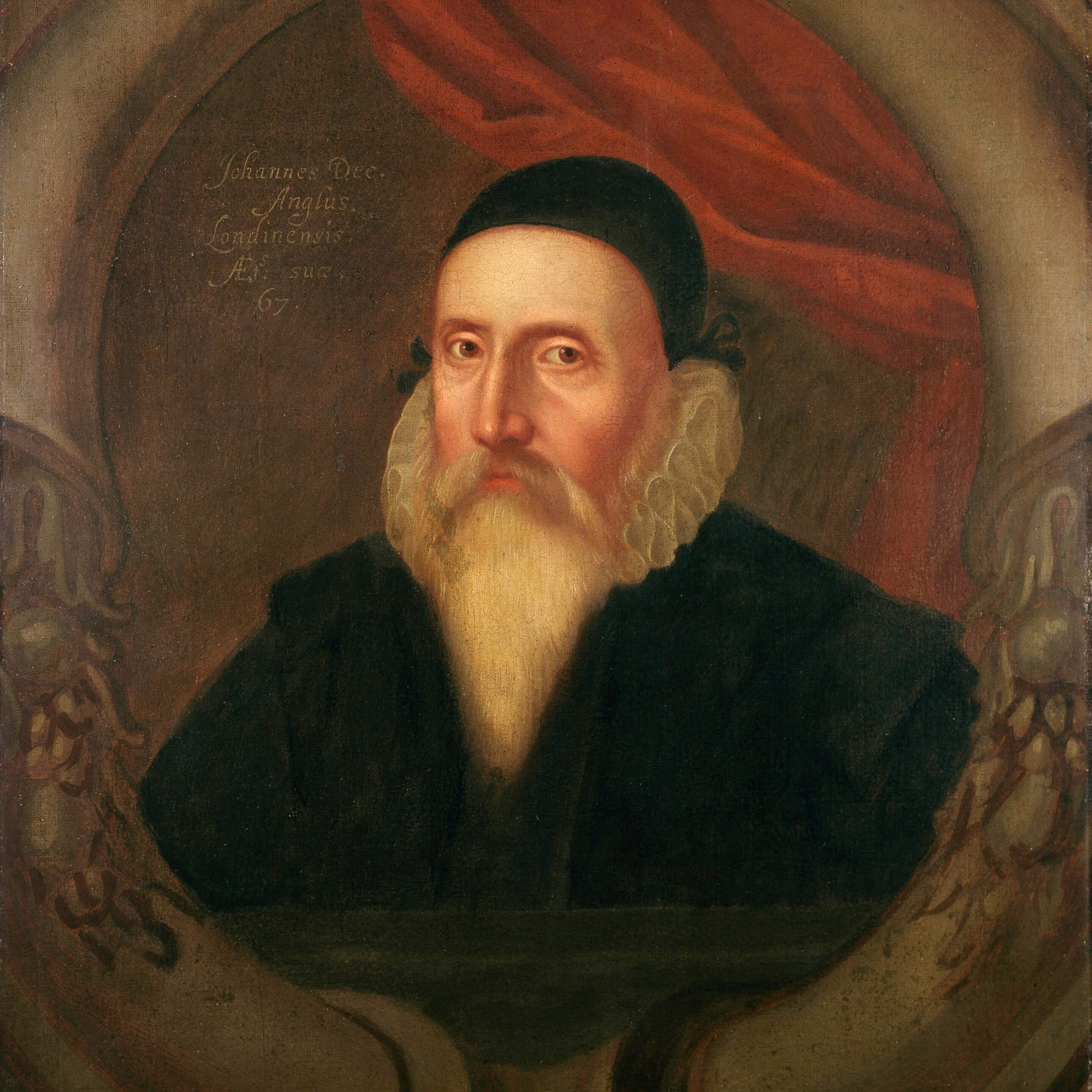
The system's author was an artist, and the entry holds that fact at its center. The painter who exhibited at the Royal Academy as a teenager, worked through and away from the ceremonial circles of his era, and published his manual of self-love psychology in 1913 gave the technique its doctrine: the unconscious as the seat of power, the conscious mind as its obstacle, and repression's law turned into a method, whatever is buried gains force. His metaphysic ran to the ancestral, the atavistic memories he treated as the soul, and his own account of the magical beings he worked with reframed them as complexes in the unconscious rather than independent spirits, the reorientation from which the whole modern practice descends. The cultus named for his two principles, the body-mind and the universal mind, was his posthumous chronicler's coinage rather than his own, one of the record's corrections the entry carries.
The technique's second life came in the nineteen-seventies, when the chaos magic movement adopted and systematized it: the manuals that made the sigil the signature operation of a magic that treated belief as tool rather than truth, the alphabet of desire built on the founder's model, the mailing-list networks of the eighties' subculture that ritualized the charging explicitly. The mass popularization arrived with the comic writer's how-to essay at the century's turn, its charging menu stated bluntly, its hypersigil extension, the life lived as an artwork of intent, entering the vocabulary alongside. The market the technique rides today is the online witch economy: sigils commissioned and tattooed and sold, the witchcraft platforms' commerce carrying the method to millions, the print tradition continuing in the practical manuals.
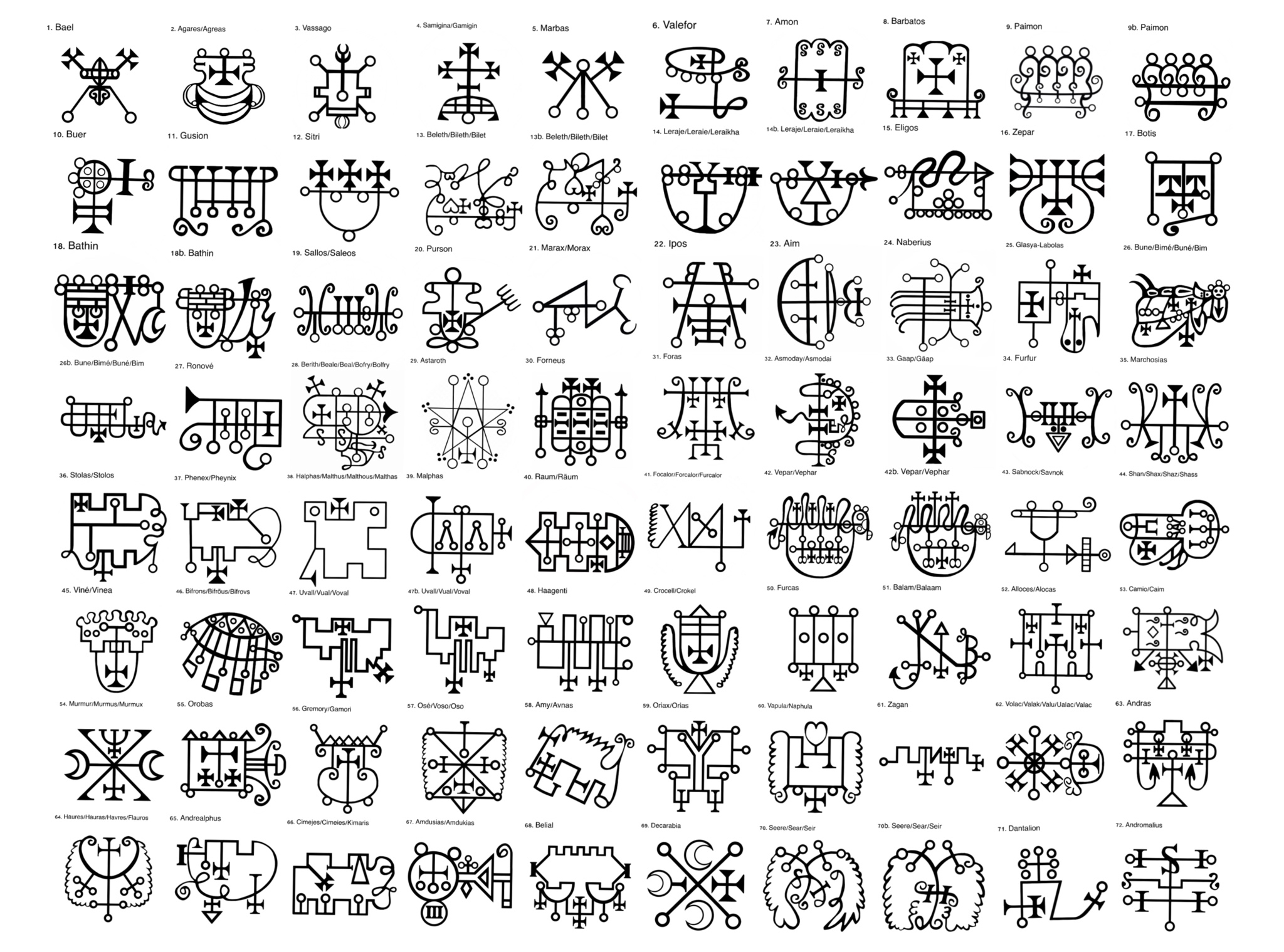
The tradition's own distinction matters: the sigils of the medieval grimoires are signatures of pre-existing spirits, fixed and hierarchical, and the modern sigil is the practitioner's own invention, free and disposable, the two sharing a word and almost nothing else. No peer-reviewed efficacy study exists, and the tradition's own practitioners say so in their own terms: the method cannot guarantee anything, it can only help release what is already there, and the point is not to believe in magic but to do it and see what happens.
Access is total: the founding text public domain and online, the later manuals and essays free, no initiation or apparatus required beyond a pen and privacy. Its counsel is the technique's own: state the desire simply, charge it fully, forget it completely, and the practice asks for nothing but the discipline of not checking.
At a glance
- Category
- Ritual & Ceremonial Magic
- Origin of practice
- London, early twentieth century; codified as a technique by the 1970s chaos magic movement
- Access
- OpenOpen to all , no initiation required. What access means
Traditions
The living lineages this practice moves within.
Tools & Materials
Sigil craft's tools are the cheapest in the esoteric space: pen and paper for the statement and its reduction, the practitioner's own body for the charging, fire or water or simple tearing for the sigil's destruction. The tradition's texts are its other instruments: the founder's manual in its public-domain editions, the chaos magic handbooks that systematized the method, the how-to essays that carried it to mass audiences, and the practical manuals that train the modern market. The community's tools include the mailing lists and the online forums where the technique's variants circulate, and the art market holds the founder's paintings, the practice's origin visible in galleries and auctions. Tattooing is the technique's most visible modern use, the sigil worn rather than destroyed, a divergence from the canon that the practitioners debate. What the craft requires beyond the pen is privacy and forgetfulness: the working's secrecy is part of its method, and the practice's tools stop where the conscious mind's checking begins.
Elements & Concepts
The statement of desire. The intention written in the present and positive: the raw material, and the practice's first discipline. Nothing works from a wish phrased negatively.
The glyph. The letters fused into one sign, simple and personal: the sigil itself, and the technique's visible artifact.
The gnostic state. The altered condition in which the sigil is charged, climax and exhaustion and dance named by the tradition: the gate past the conscious mind, and the method's engine.
The forgetting. The deliberate banishment of the sigil's meaning after charging: the technique's operative half, and its hardest discipline.
The organizations
Institutions & businesses
Organizations whose work centers on sigil craft.