Kabbalistic Pathworking
Pathworking is visionary travel through the Kabbalistic tree: the practitioner enters a symbolic landscape corresponding to one of the twenty-two paths joining the tree's ten sephiroth, meets what it presents, and returns with the experience recorded. The tree itself is the Hermetic Qabalah's central diagram, its structure old in the Jewish mystical sources, its Western adaptation carrying the tarot's trumps as the paths' imagery, and the practice's technique descends from the clairvoyant investigations of the Victorian order's inner work: the adept visualizing the path's gateway, passing through, performing the signs and names, and meeting the path's inhabitants, the vision journals the order's adepts kept becoming the practice's earliest record. The tarot card is the modern practice's visual anchor, each path's trump the doorway the guided work enters through, and the attributions that bind the two systems are younger than they feel: the letter-path structure is ancient, but the trumps' identification with it dates from the eighteenth century's occultists, and the now-standard arrangement is the Victorian order's revision, transmitted through its published papers and the popular deck that fixed them.
The practice's history is the Western adaptation's history told narrowly. The Christian Kabbalah of the Renaissance began the adaptation, the conversion-minded scholarship that read the Jewish system into Christian theology, and the tree diagram the Western tradition uses is the seventeenth-century Jesuit's printing of a pre-Lurianic arrangement, the Jewish tradition's own diagrams differing and the Lurianic cosmology never absorbed into the Western stream. The Jewish critiques run the length of the relationship, from the Renaissance rabbi's classic attack to the modern scholars who treat the occultist system as a reinvention diverging from the mysticism it borrows, and the entry carries that record as the practice's honest context. The Victorian order built the practice itself: the grades' rituals, the correspondence system's construction, the skrying papers that taught the technique, and the two modern classics, the Mystical Qabalah of 1935 and the practical guide of 1965, that carried it beyond the orders.
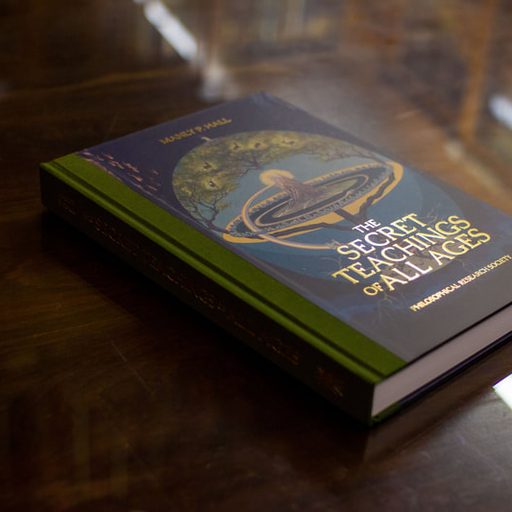
The practice's modern forms span the range from full clairvoyant work to guided meditation. The formal technique builds the destination's temple in imagination, populates it, propitiates its guardians with the rituals and names, and applies a verification rule the tradition states plainly: a figure that does not recognize the divine names or give the correct signs is not a proper guide and must be banished. The guided-visualization versions, recorded and led, run the market's spectrum from the audio pathworkings sold individually to the months-long courses of the teaching orders, the lineage school's correspondence curriculum, and the mass-market certificates. The practice's own geography teaches its gradations: the beginner's paths kept in the personality triangle below the tree's heart, the abyss and its crossing reserved for advanced work, the non-sephirah at the tree's center marked as the place where the ego's resistance shows.
Access is open, the foundational texts widely available, the practice requiring no initiation in its guided forms. Its counsel is the tradition's own: the tree supplies the map, the card supplies the door, and the work's value lies in what the vision returns, recorded honestly and checked against the system the practice claims to serve.
At a glance
- Category
- Ritual & Ceremonial Magic
- Origin of practice
- The Hermetic Qabalah of the Renaissance and the Victorian occult revival; the pathworking practice itself late nineteenth century
- Access
- OpenOpen to all , no initiation required. What access means
Traditions
The living lineages this practice moves within.
Tools & Materials
The pathworker's tools are the tree and the deck: the diagram of the ten sephiroth and twenty-two paths as the practice's map, and the tarot's trumps as its doors, one card per path in the standard attributions. The technique's historical instruments are the order's skrying papers and the tattva cards that trained the clairvoyant faculty, the temple visualization's godforms and names, and the journal that records every return. The modern market's tools are the recorded pathworkings and the courses, the audio versions sold individually, the teaching orders' curricula priced by the year, and the free guided versions on the meditation apps. The tradition's texts are its spine: the Mystical Qabalah, the practical guide, the published Golden Dawn papers, and the article literature that documents the technique's history. What the practice requires beyond the map is discipline at the boundaries: beginners kept below the tree's heart, the abyss approached only with preparation, and the guide's credentials tested by the names before the journey proceeds.
Elements & Concepts
The tree. The ten sephiroth and their connecting paths: the practice's map, the Hermetic Qabalah's central diagram, and the journey's whole geography.
The path. One of the twenty-two links between the sephiroth, each with its letter and its trump: the unit of work, entered once per session and returned from.
The guide. The figure met within the vision, whose recognition of the divine names tests its legitimacy: the practice's interactive element, and its tradition's verification rule.
The abyss. The gulf at the tree's center, around the non-sephirah Daath: the boundary the tradition sets for advanced work, and the practice's most discussed threshold.
The organizations
Institutions & businesses
Organizations whose work centers on kabbalistic pathworking.