
By Bailey Romatoski ·
Bone reading is a form of divination where a practitioner casts a set of bones, along with small charms and curios, onto a mat or cloth, then interprets where and how each piece lands. The position, direction, and grouping of the pieces form a message the reader talks through with you.
What is bone reading, exactly?
Bone reading (often called "throwing the bones") works a bit like a language made of objects. Each piece in a set has a meaning: a strip of hide might stand for a road, a coin for money, a small doll for a person in your life. The reader tosses the set, then reads the pattern, which pieces fell close together, which fell far apart, which landed on top of another. A reading is that interpretation out loud, applied to your question.
Where does bone reading come from?
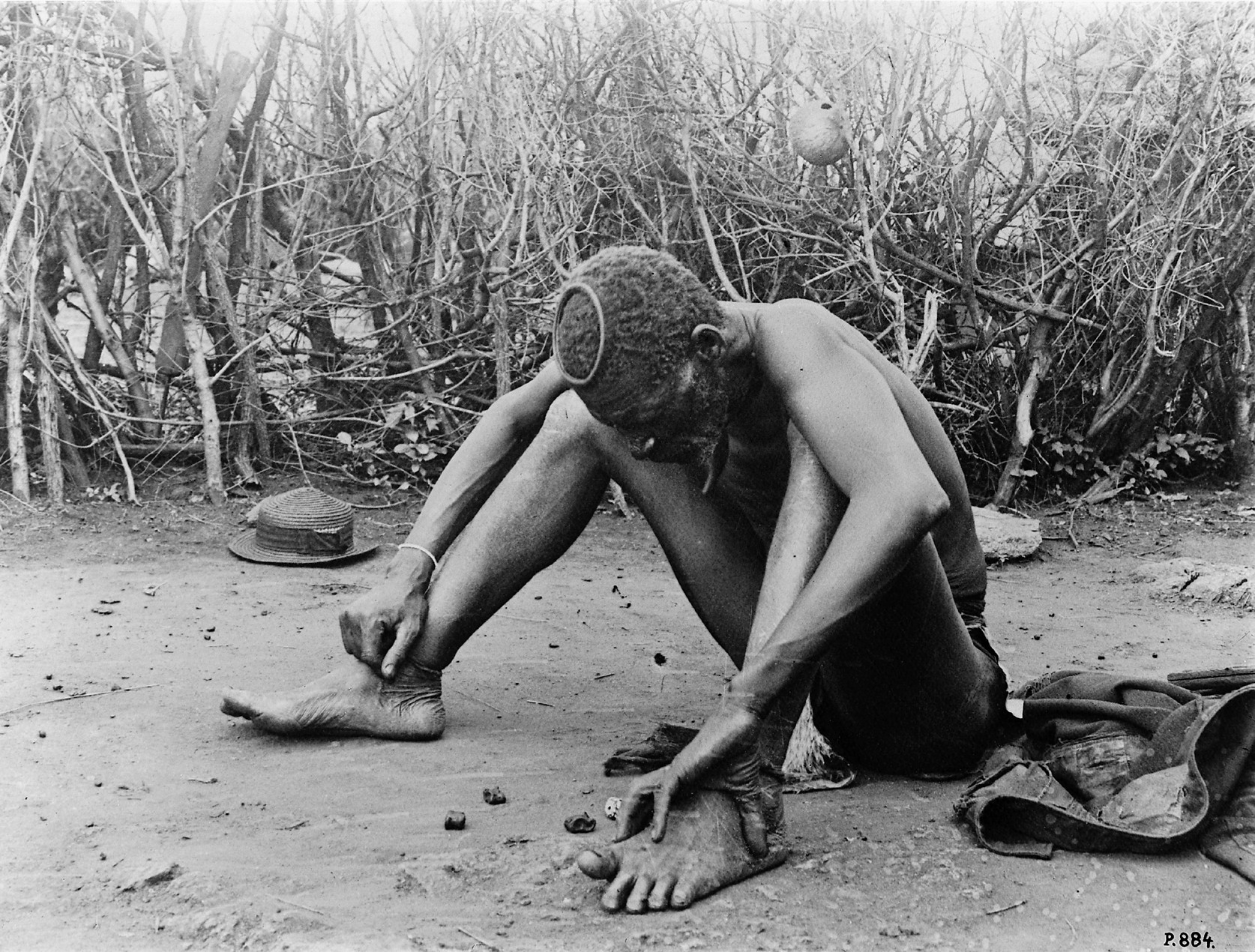
Throwing bones is one of the oldest documented divination practices in the world. In southern Africa, traditional healers including sangomas use bone sets for diagnosis and guidance, and the practice carries real cultural weight there. Bone and object casting also appears in other African traditions and traveled with the diaspora to the Americas.
In the United States, bone and charm casting lives strongly in hoodoo and other African diasporic traditions, often alongside drawers, dominoes, playing cards, and other household divination tools. These are living traditions, practiced and passed down in communities, so respect matters: the context is ancestral, not a costume, and much of the knowledge was carried by people whose practice survived hard history. If you're drawn to learn, seek teachers within those lineages rather than treating the practice as a free-for-all aesthetic.
What goes into a bone set?
Sets vary a lot. A typical American bone set might hold actual animal bones, chicken or other small vertebrae, plus curios: a coin, a key, a shell, dice, pieces of jewelry, little tokens for people and situations. Every reader's set is personal and built over years. In southern African practice, sets traditionally include carved pieces representing people, animals, and circumstances. No two sets read the same, which is why a reader will usually explain their own pieces at the start of a session.
How does a reading work?
Most readings follow a loose shape. First, you and the reader settle on a question, or you ask for an open reading. The reader may have you hold or breathe over the set to connect it to you. Then they cast the pieces onto a cloth, often one marked with a pattern: a circle, a grid, or zones like "home," "the road," "what's hidden."
From there the reader interprets. Distance between pieces matters, so does direction, a piece pointing toward the center reads differently than one pointing off the cloth. Stacking can mean something is pressing on or hiding something else. The reader narrates the story of the pattern and invites your input. Many readers will re-cast specific pieces to dig into a detail. Sessions commonly run 30 to 60 minutes.
Bone reading vs tarot: what's the difference?
Both are systems of divination, but they work differently. Tarot uses a fixed deck of 78 cards with standardized meanings and a huge published literature. Bone reading uses a personal set with meanings assigned by the reader and their teachers, so it's more idiosyncratic and more narrative. A tarot spread has named positions; a bone throw is spatial and relational, the message comes from how the pieces landed next to each other.
Practically: if you like structure and a rich symbol system, tarot may click first. If you like the feeling of a one-of-a-kind reading held by a specific reader's eye, bones might be your door. Plenty of people use both.
How do I find a bone reader?
Look for readers who say plainly what tradition they come from and how they learned. Many work through word of mouth or list through practitioner directories and metaphysical shops in their community. Read a few of their descriptions; a good reader explains their set, their lineage or teachers, and what a session covers, and they'll answer questions about all three before you book.
Be careful with anyone who leads with fear, claims you're cursed and only they can fix it, or pushes big ticket packages. Those patterns show up in every divination tradition and they're always a reason to keep looking.
Questions to ask before you book
Three questions cover most of it. First: "How did you learn, and who did you learn from?" Second: "What happens in a session with you?" You want to know the shape before you're in it. Third: "What do you charge, and what do you not do?" Honest readers are glad to say what's outside their lane. If a reader bristles at any of these, that's information.
The bottom line
Bone reading is an old, living practice where a personal set of bones and charms becomes a map of your question. It's relational, narrative, and specific to the reader holding the set. Come with a real question, choose a reader who can name their roots, and expect a conversation, not a verdict.