
Institution
Manawa Tapu (Tā Moko)
A Tā moko and Toi Māori studio in Auckland, part of the living Māori art lineage
Unclaimed listingIs this yours? Claim itRemove this listing
About
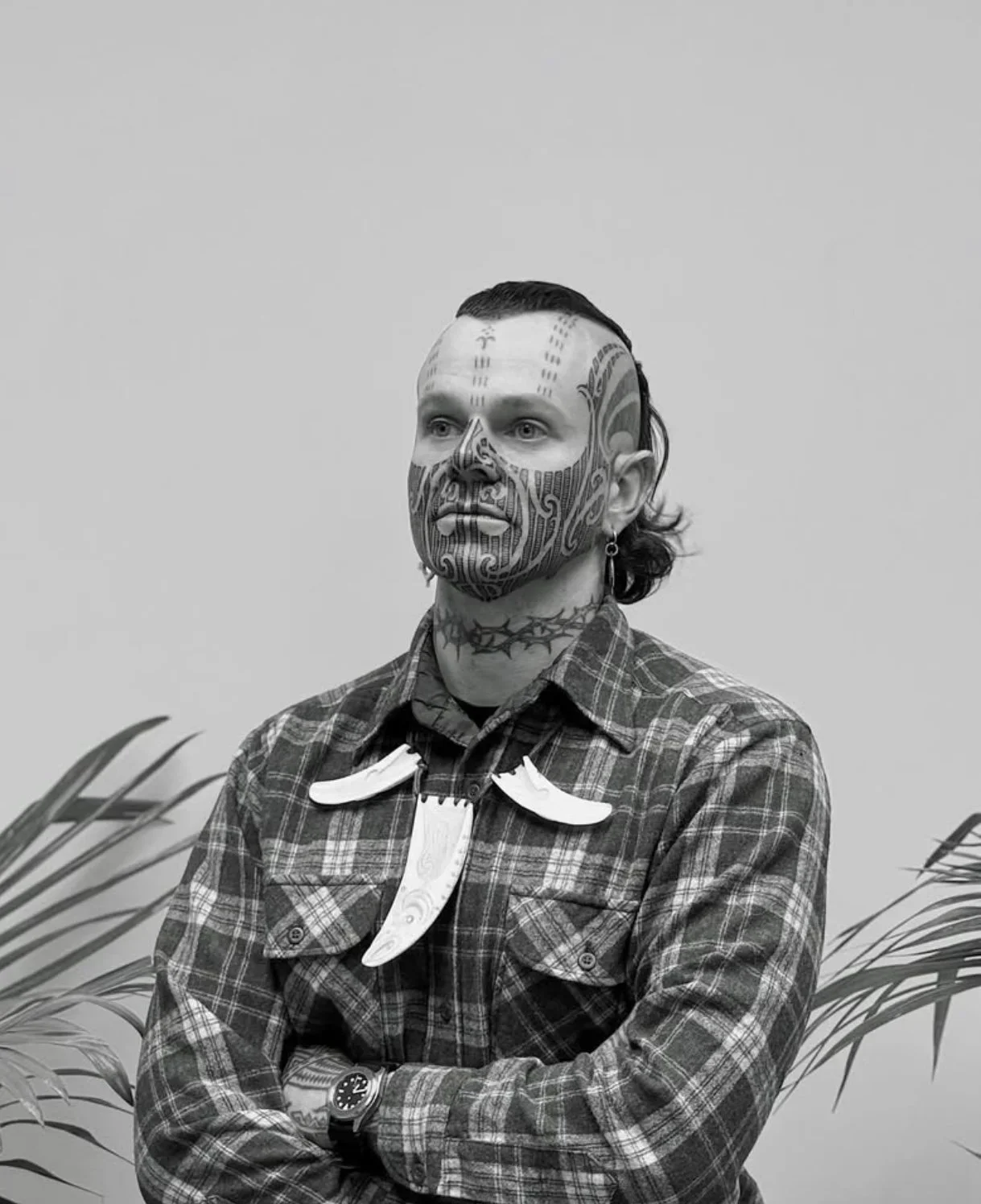
Manawa Tapu is the practice of Tristan Marler, a Tā moko (Māori tattoo), whakairo rākau (carving) and Toi Māori practitioner of Te Rarawa and Te Aupōuri descent from the Far North of Aotearoa New Zealand, now working from a private studio in Titirangi, Auckland set in native rainforest. Tā moko is a birthright art of the Māori people, carrying genealogy and identity in the skin, and this listing is presented with that framing: the practice belongs to the tradition and its people first.
Marler's studio work includes tā moko and related Māori art forms, offered with the whakapapa (genealogy) of his people stated openly on his site, from his maunga Tarakeha to his iwi Te Rarawa. He works within the national structure of Māori arts, where practitioners operate under lineage and community accountability rather than commercial convention.
For the sacred tattooing category, Manawa Tapu represents the tradition at its source: a living practitioner within the Māori art world, where moko is culture carried forward, not a service marketed to outsiders. Visitors should approach it as cultural practice, and it is listed here as a reference for the tradition. The institution's stated mission: To carry tā moko and Toi Māori as living Māori art practice.
Mission
To carry tā moko and Toi Māori as living Māori art practice.
History
Manawa Tapu is the studio practice of Tristan Marler (Te Rarawa/Te Aupōuri), a tā moko and whakairo rākau practitioner working from a private studio in Titirangi, Auckland, within the lineage structures of Māori art.